
Which kind of AI? I certainly hope not LLMs.
Probably the same type of image recognition that volunteers have been training for years on data sets ranging from exoplanets to tumor cells.
The kind that has the side effect of making those doctors worse at their jobs
That’s like people being worse at riding horses today. We don’t need the skill because we have tools that replaced it and generally do a better job.
It’s a good thing that we don’t need any doctors to train the AI or verify its results afterwards, because otherwise you’d be dangerously wrong with this comparison.
That’s fair. I’m probably not thinking it through. I can certainly see how this could quickly go downhill. I think we’ll see the reality of it with today’s school generations getting jobs in a few decades.
Humans are terrible at unbiased image analysis.
and
Pigeons are more accurate. They just buy fewer BMWs.
It says it in the article, it just takes some data from the patients chart and calculates a score for the person’s risk of getting an infection.
Which is all an MD does. Glorified auto mechanics.
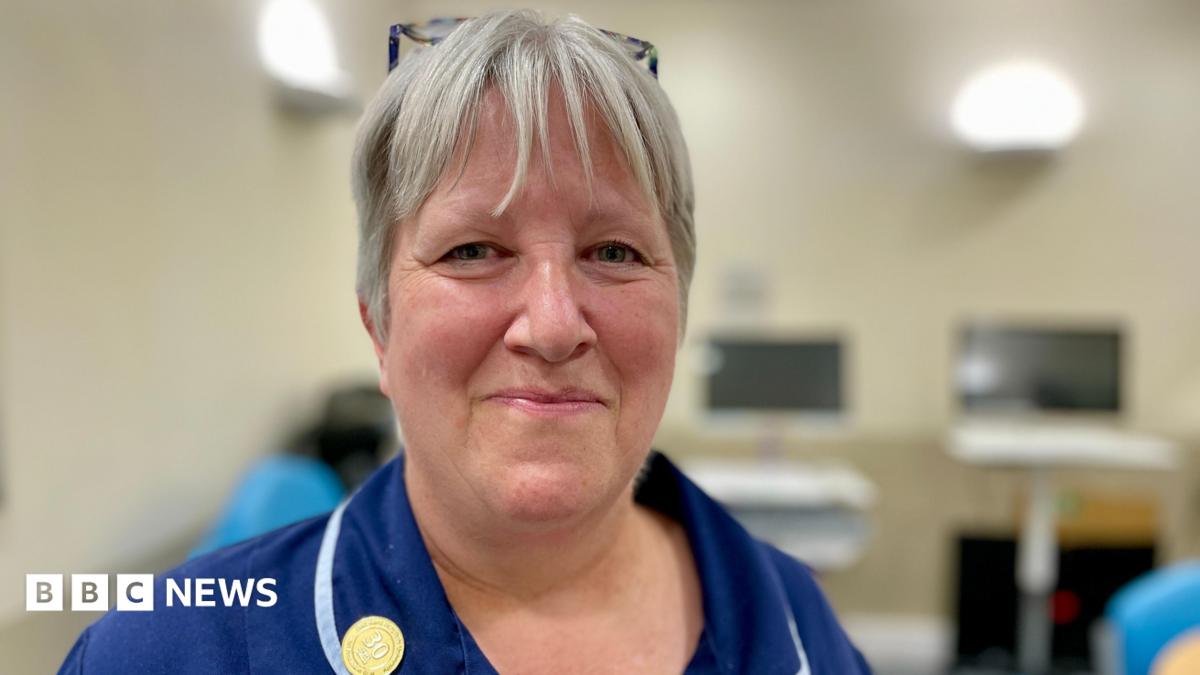
Why is she looking smug
deleted by creator
I used to think that the benefit of using AI in medicine, specifically radiology, was plausible… There is SO much data in a CT scan or MRI that human eyes just can’t see, you lose soo much granularity converting a 3D scan to a 2D image on a screen so some bloodshot doctor can look at it…
AI should, in theory, be able to read a scan and find pinprick tumors or irregularities and at least tell the doctors where to look…
But now, watching LLM’s do their thing, I’m now convinced that there isn’t an AI around that is worth it’s weight in horse-shit.
Analytical AI is much more useful than generative AI and even if it were LLMs doing the work, with a doctor checking it can be very beneficial
And if they do misdiagnose one in five patients, well, they shouldn’t have gotten infected, it’s their fault.
AI can be a force multiplier for doctors. The catch is it needs to be doctor led. It’s quite trivial for a doctor to dismiss the obvious hallucinations. If it also points them towards more subtle signs they would potentially miss, then that’s a net win.