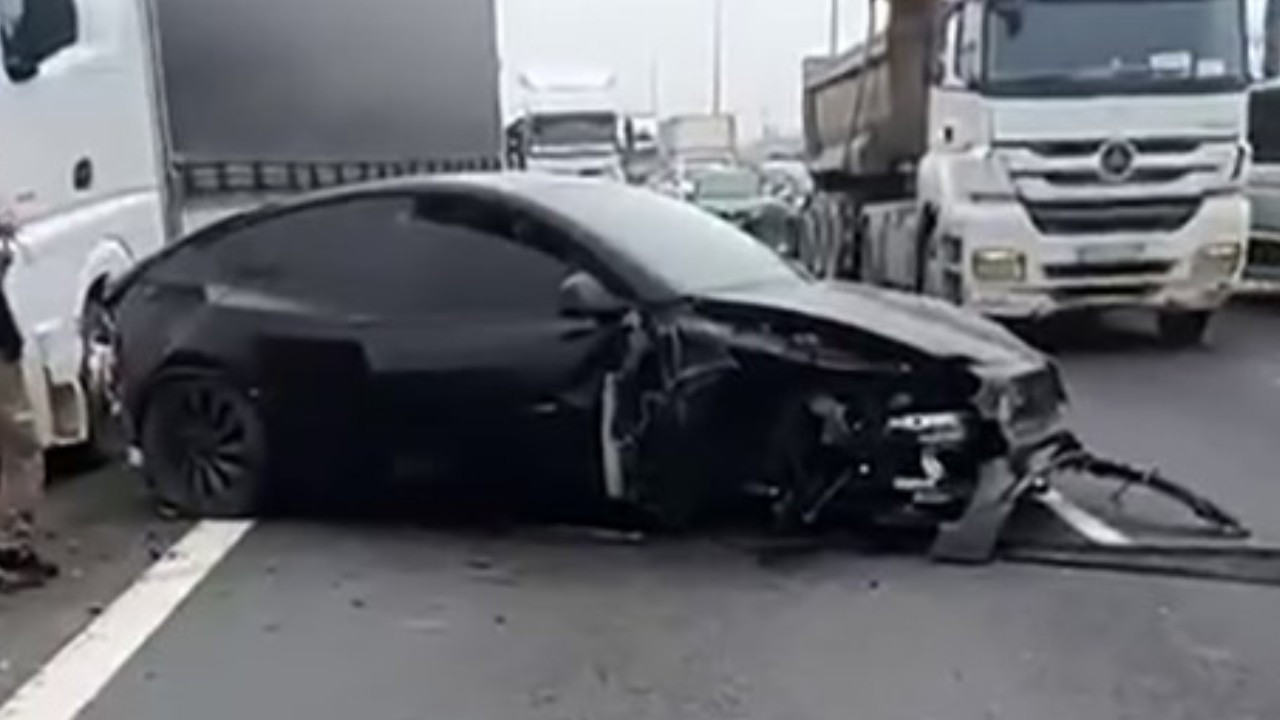
TEM Otoyolu Esenyurt mevkiinde otopilot modunda ilerlediği öne sürülen Tesla marka otomobil, aniden karşı şeride girerek kazaya karıştı. Araçta maddi hasar oluşurken, kaza anı kameralara yansıdı. Sürücü, hava yastıklarının açılmadığını belirterek firmaya şikâyette bulundu. Firma kazayı, 'kullanıcı hatası' olarak yorumladı.
It’s poor journalism, yes. Especially if it’s a lack of disclosure rather than an explicit refusal for disclosure, as investigation takes time.
However, my opinion is that for a corporation, an explicit refusal to provide data could be valid data when morally judging them. They are entitled to the same legal “innocent until proven otherwise” standard as individuals, yeah. But a non-person entity doesn’t need the same privacy rights that a person does. They only need whatever privacy is required to maintain confidentiality (e.g. trade secrets, business strategy, insider information, etc.).
If they had non-incriminating and non-confidential evidence proving their innocence, surely they would prefer to release it to minimize reputational damages. So, if they choose not to, it either means that the evidence needs to be confidential, or that it actually is incriminating. Which of those it is, who knows. It’s still not a good look, though.
Then you will never know, but not disclosing can be a crime in it’s self, depending upon what was done to from being disclosed. Plus even if not a provable crime, we shun (SP?) them.


Agreed, but the absence of disclosed data is not itself data. In that, treating non-disclosure as proof of wrongdoing is poor journalism.
It’s poor journalism, yes. Especially if it’s a lack of disclosure rather than an explicit refusal for disclosure, as investigation takes time.
However, my opinion is that for a corporation, an explicit refusal to provide data could be valid data when morally judging them. They are entitled to the same legal “innocent until proven otherwise” standard as individuals, yeah. But a non-person entity doesn’t need the same privacy rights that a person does. They only need whatever privacy is required to maintain confidentiality (e.g. trade secrets, business strategy, insider information, etc.).
If they had non-incriminating and non-confidential evidence proving their innocence, surely they would prefer to release it to minimize reputational damages. So, if they choose not to, it either means that the evidence needs to be confidential, or that it actually is incriminating. Which of those it is, who knows. It’s still not a good look, though.
But should they be?
Then you will never know, but not disclosing can be a crime in it’s self, depending upon what was done to from being disclosed. Plus even if not a provable crime, we shun (SP?) them.