The problem with red light cameras is the financial incentive to make them catch people. When enough people know there is a red light camera, the number of people who run reds goes down, and the number of rear-end collisions goes up. The camera costs a fortune every month, each camera, so if its revenue dropped because people know it’s there, there’s financial incentive to shorten the grace before the red light, to increase the number of red light runners…
This is about speed cameras, not reduce light cameras.
Rear end collisions DO go up. But head on collisions, oblique collisions, pedestrian collisions, and cyclists collisions go down. So yeah, more fender benders but at the benefit of less fatalities, casualties, and write-offs.
Fixing intersection geometry at problematic will have better results than red light cameras.


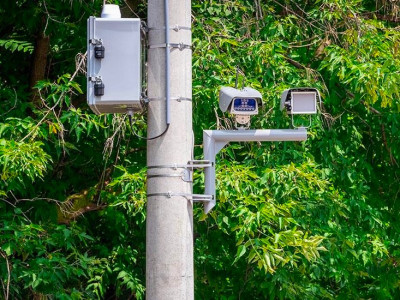
The problem with red light cameras is the financial incentive to make them catch people. When enough people know there is a red light camera, the number of people who run reds goes down, and the number of rear-end collisions goes up. The camera costs a fortune every month, each camera, so if its revenue dropped because people know it’s there, there’s financial incentive to shorten the grace before the red light, to increase the number of red light runners…
This is about speed cameras, not reduce light cameras.
Rear end collisions DO go up. But head on collisions, oblique collisions, pedestrian collisions, and cyclists collisions go down. So yeah, more fender benders but at the benefit of less fatalities, casualties, and write-offs.
Fixing intersection geometry at problematic will have better results than red light cameras.
[citation required]